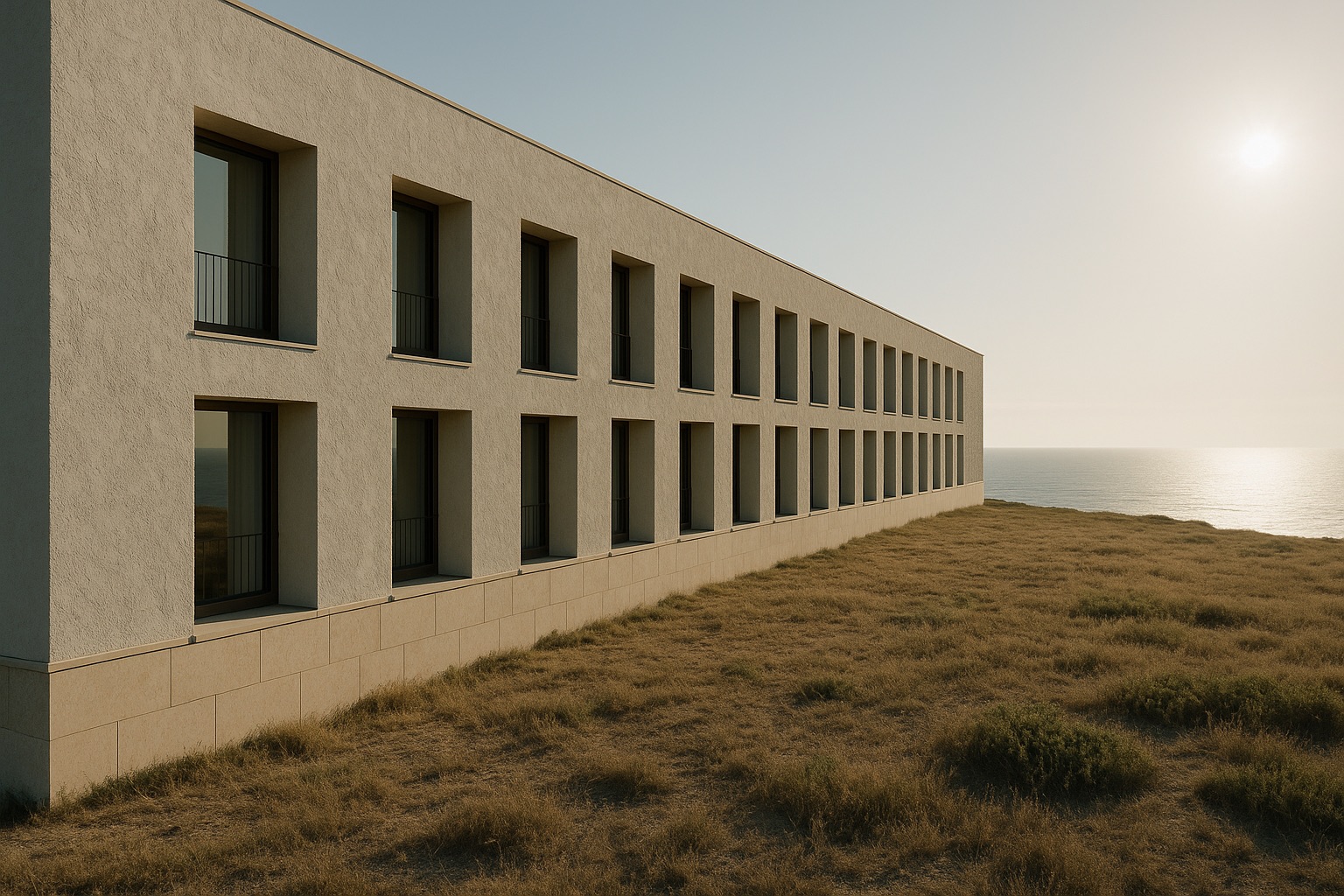
A long, low building of pale plaster on a clifftop plateau, its window bays throwing deep shadows in late sun, the Atlantic behind.

Aubade · 37°11′ N — 8°54′ W · Carrapateira, Portugal

Aresta

A hotel shaped by light, proportion, and silence.

The west wall at 18:40
last light

The building

Everything here is built on a bay of 3.6 metres.

Aresta stands where the plateau breaks into the sea cliff — the edge the Portuguese call an aresta. The building repeats that edge at the scale of a room: two floors of pale concrete and mineral plaster, one long wall of window bays facing west, three courts cut through to carry light into the centre. Every window reveal is 90 centimetres deep, so the sun arrives as a shape, not a glare. Nothing is applied; the material is the finish.

Rooms
38
Courts
3
Bay
3.6 m
Reveal
0.9 m
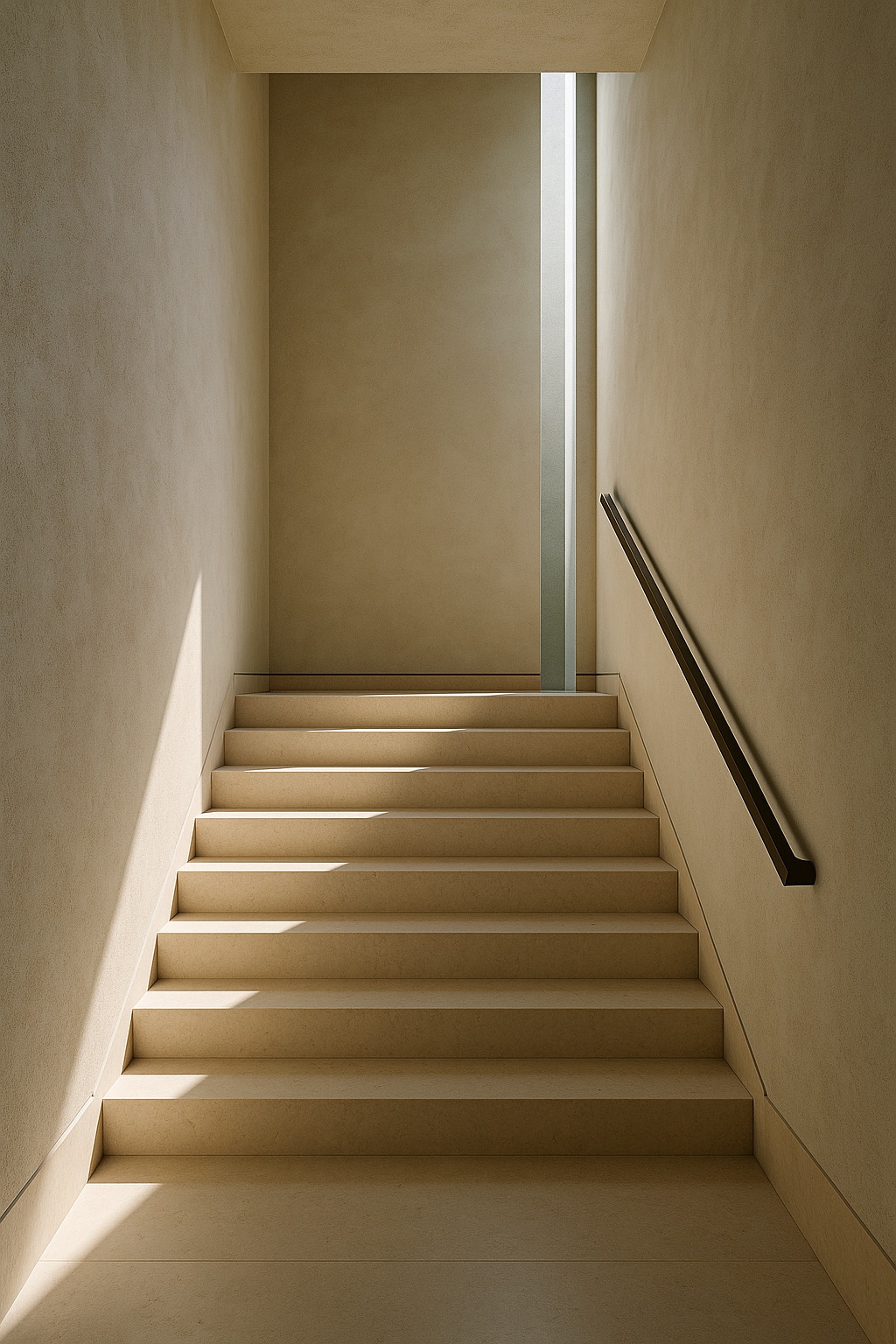
A pale limestone stair between plaster walls, crossed by one blade of light from a high aperture.
The stairLimestone, one aperture

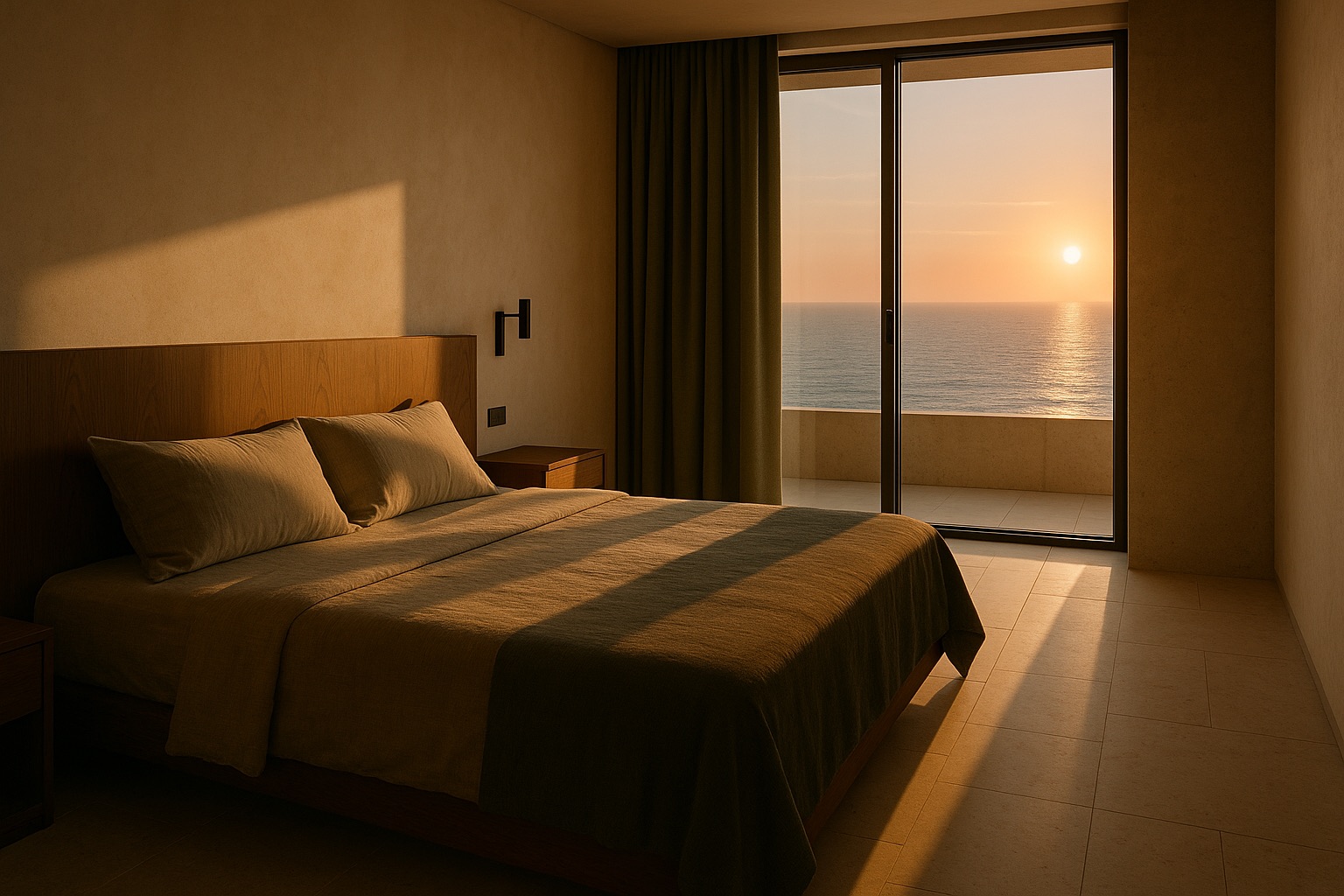
Rooms by light

The rooms are named for what the sun does.

There are no suites and no tiers. A room at Aresta faces east, south, or west, and the difference between them is the hour the light arrives.

Choose a direction; the room, its hour, and its shadow change together.

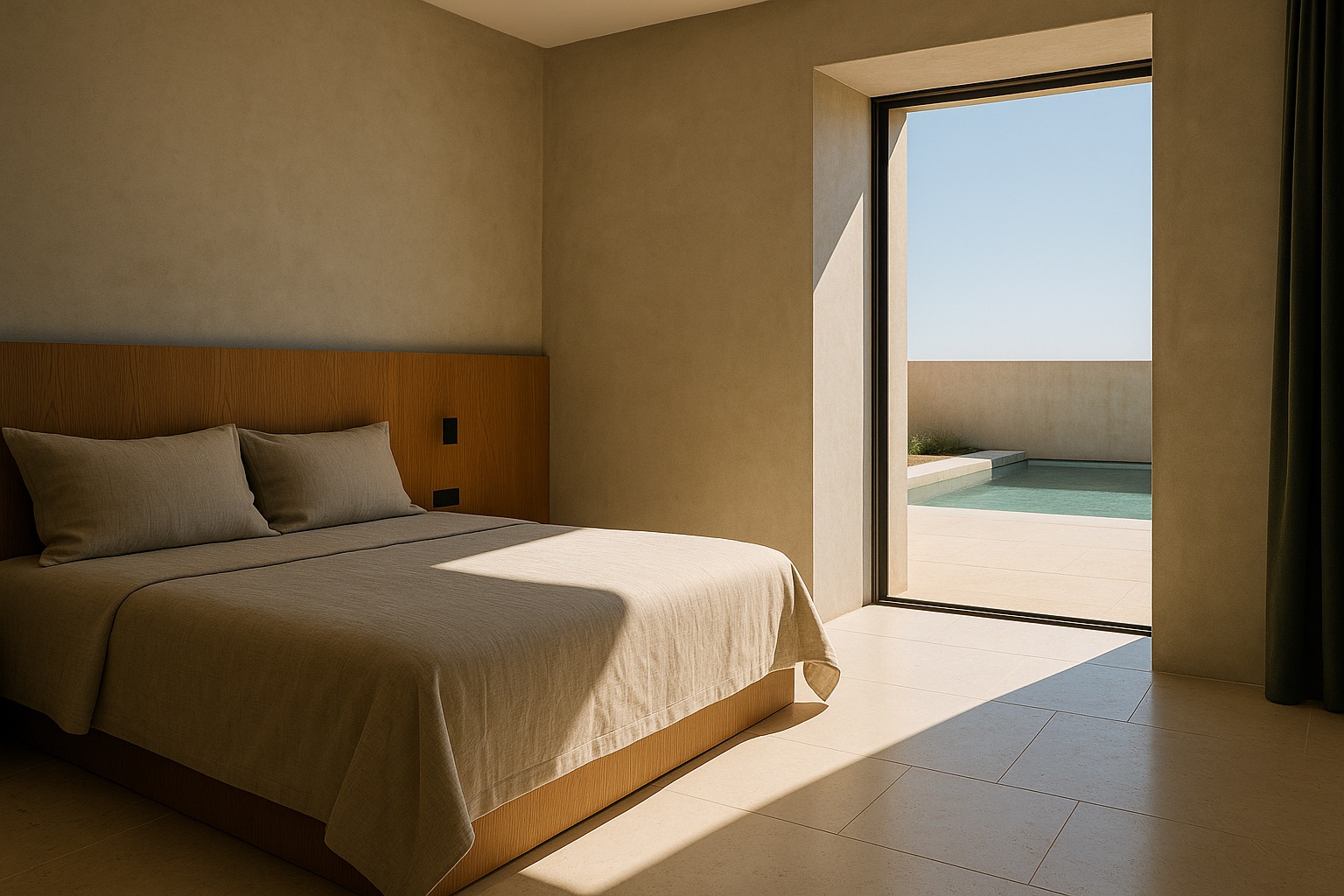
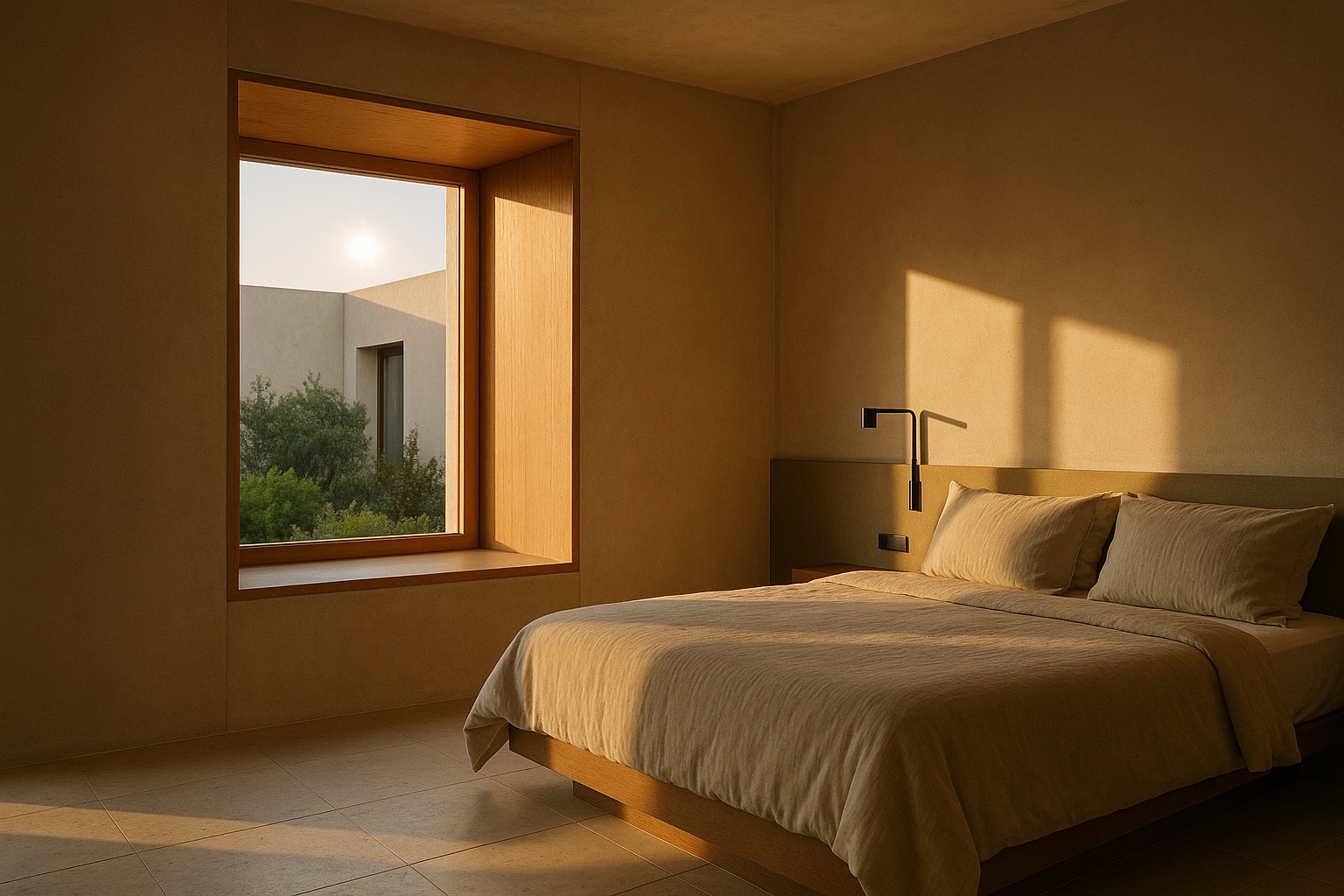
Bedroom at first light: low morning sun through a deep oak-lined reveal onto a bed in flax linen.
East room 1407:10 — first light

The sun crosses the bed before breakfast.

East rooms open onto the morning court and the inland heath. First light reaches the pillow at 07:10 in June, and the room is cool again by noon. The reveal frames the court's strawberry tree; the bath is limestone, the bed is dressed in sun-bleached flax.

Rooms
Twelve
Floors
1 and 2
Outlook
Morning court
Sun
07:10 – 12:00

Water

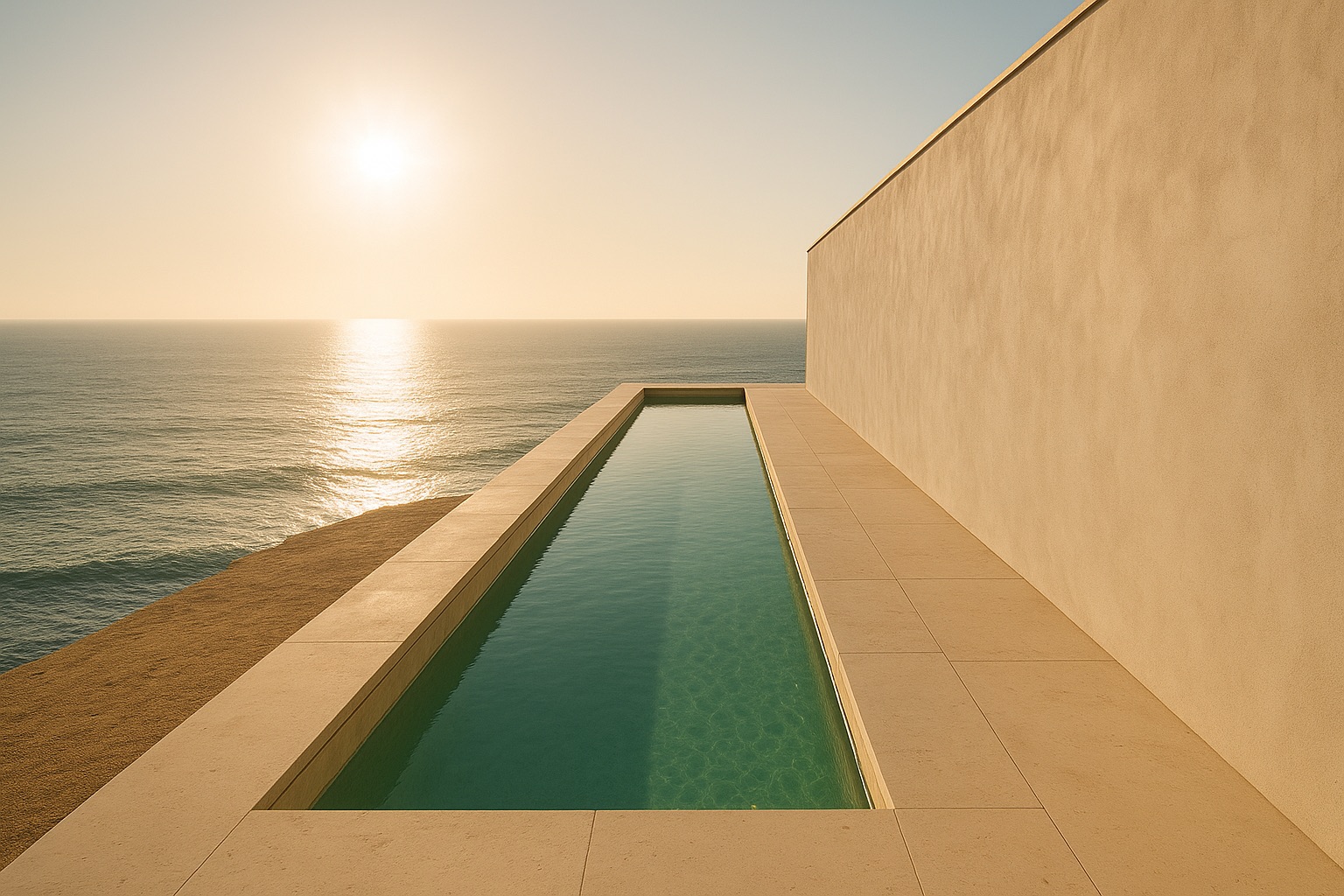
The pool is cut from the same limestone as the lower hall.

A long limestone pool aligned exactly with the Atlantic horizon, one plaster wall along its side.
The pool, 25 mAligned to the horizon

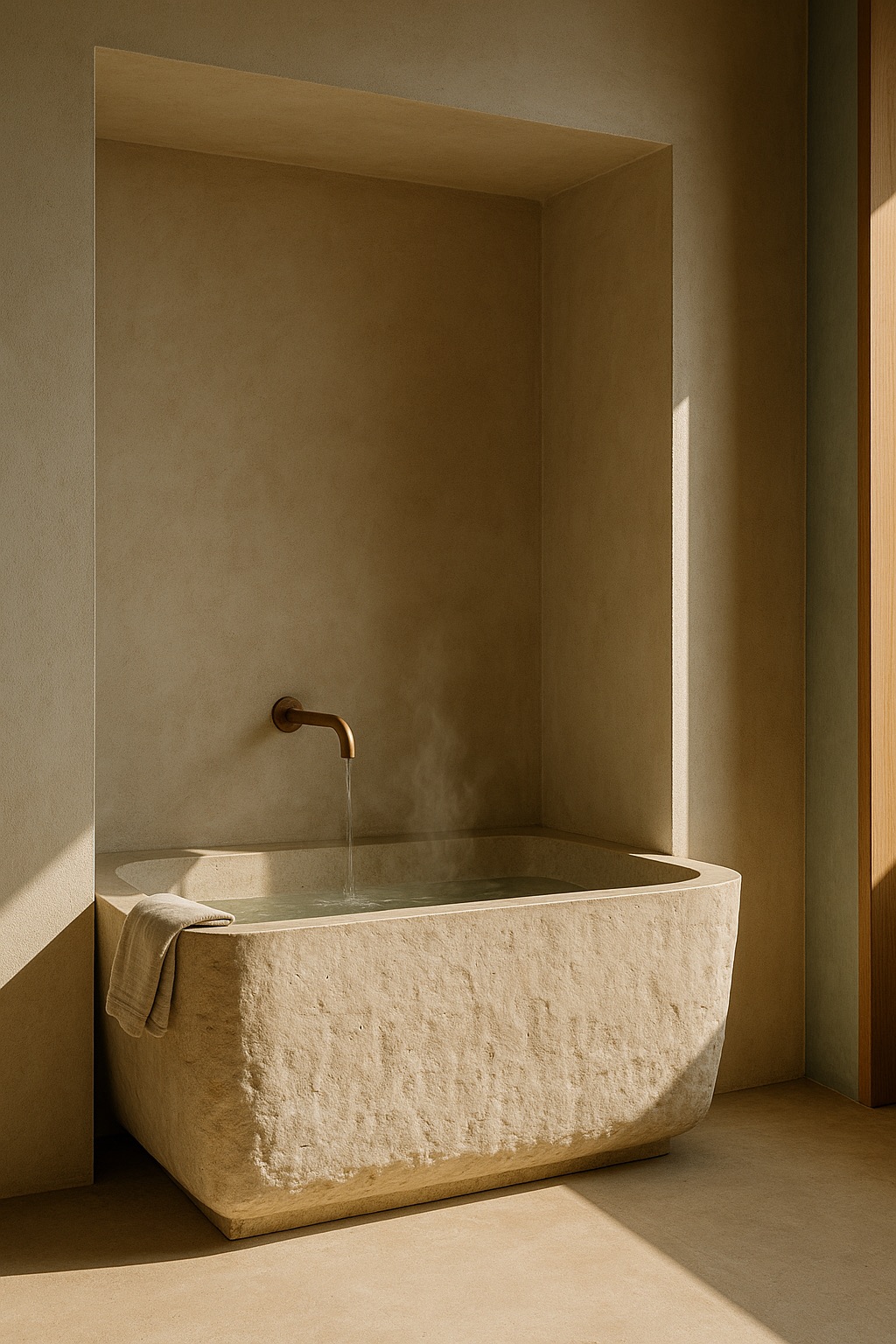
Each bath is carved from a single block.

The water arrives from a bronze spout set flush in the plaster, warmed to 38 degrees. In the pool it is unheated from May to October — mineral, still, and level with the sea it faces. Towels are flax, folded on the stone rim each afternoon.

A bath carved from a single limestone block in a plaster niche, one bronze spout, one folded linen towel.
The bathOne block, one spout
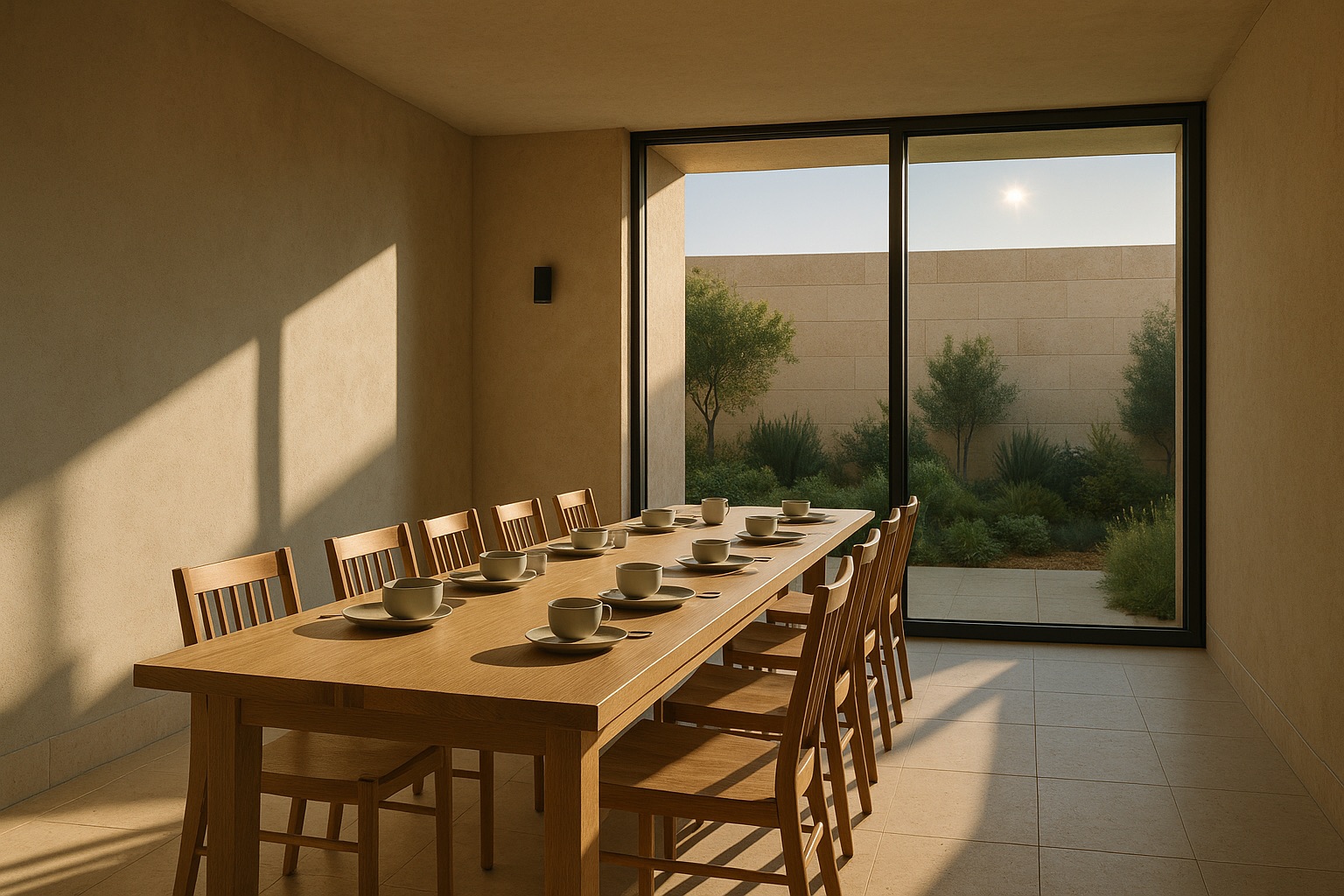
A long white oak breakfast table set with pale ceramics, morning light laying a band along its length.
The table at 08:00White oak, twelve seats

The table

Breakfast is set at eight; the light arrives first.

One long table faces the morning court. Bread comes from the wood oven in Aljezur, fish from the boats at Sagres, sweet potatoes and honey from the parish. Dinner is a single menu, written each morning after the market.

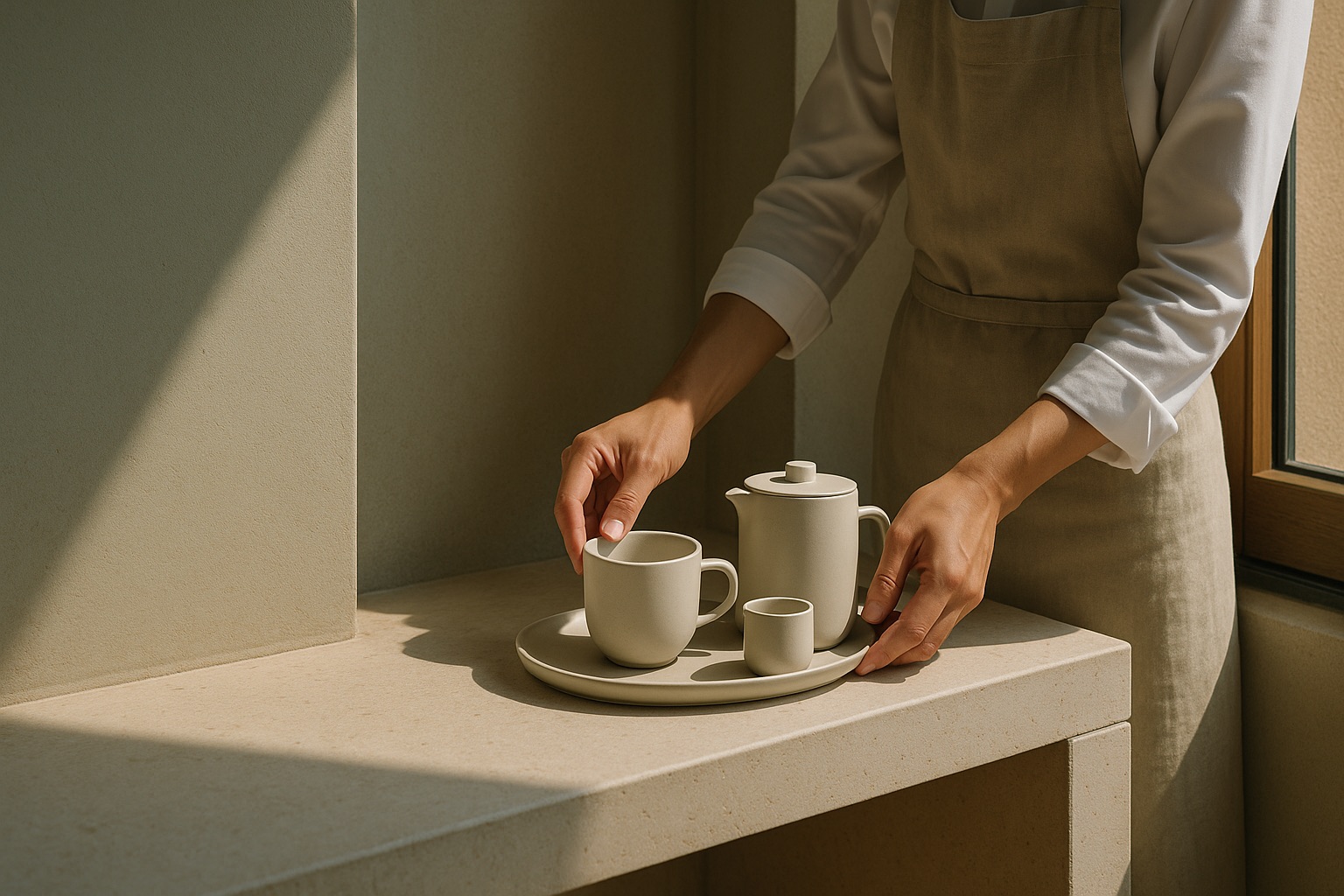
Hands placing a pale ceramic coffee service on a deep limestone window ledge in morning light.
Coffee to the ledge07:30 onward

The courts

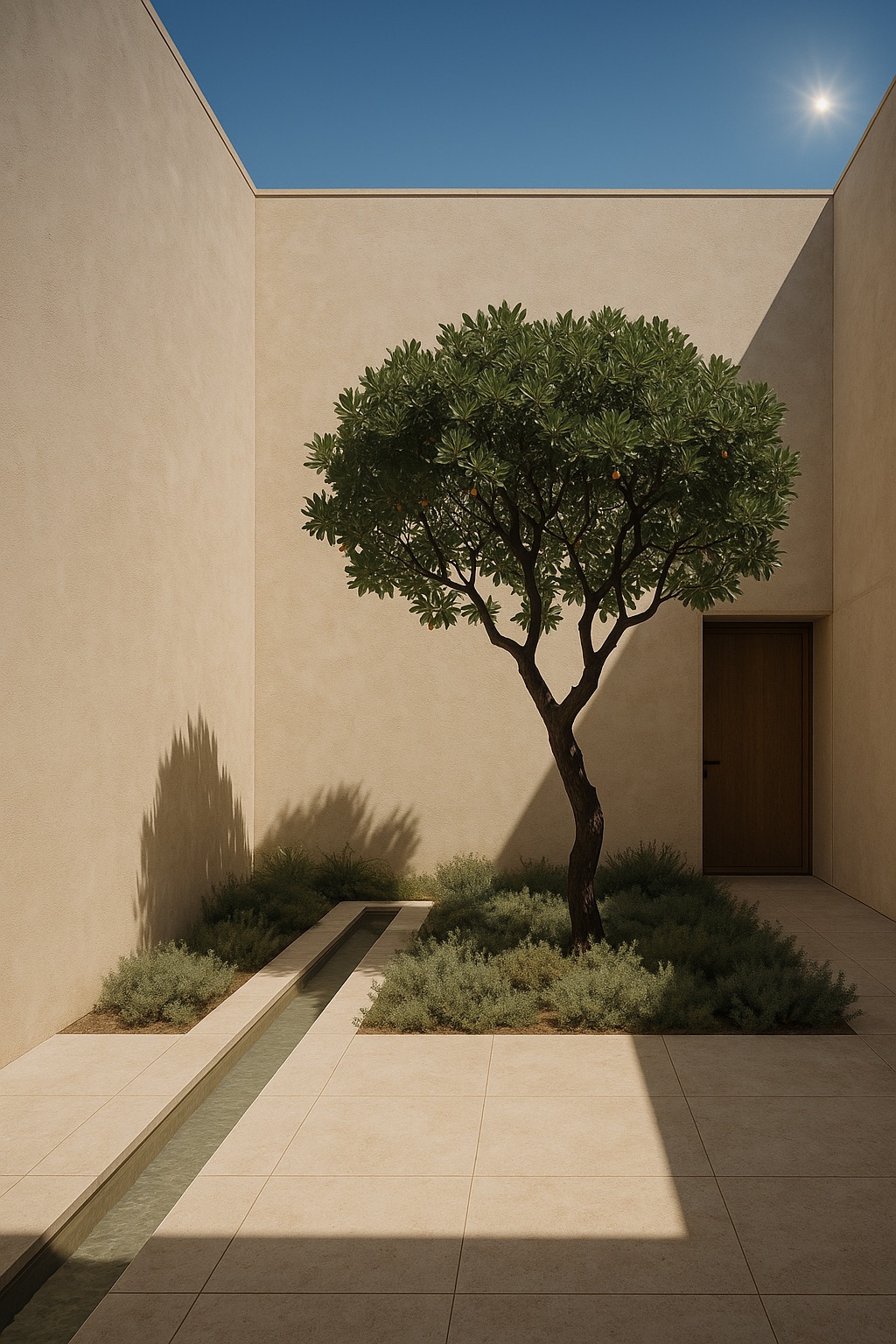
Three courts carry the light into the centre.

Cut through the bar of the building, each holds one thing and holds it exactly. The planting is the plateau's own — heath, grasses, lichen — brought inside the walls and given water.

Court I
A channel of still water
Court II
One strawberry tree
Court III
The breakfast terrace
A planted court between plaster walls: one strawberry tree, low heath, a still water channel.
Court IIStrawberry tree
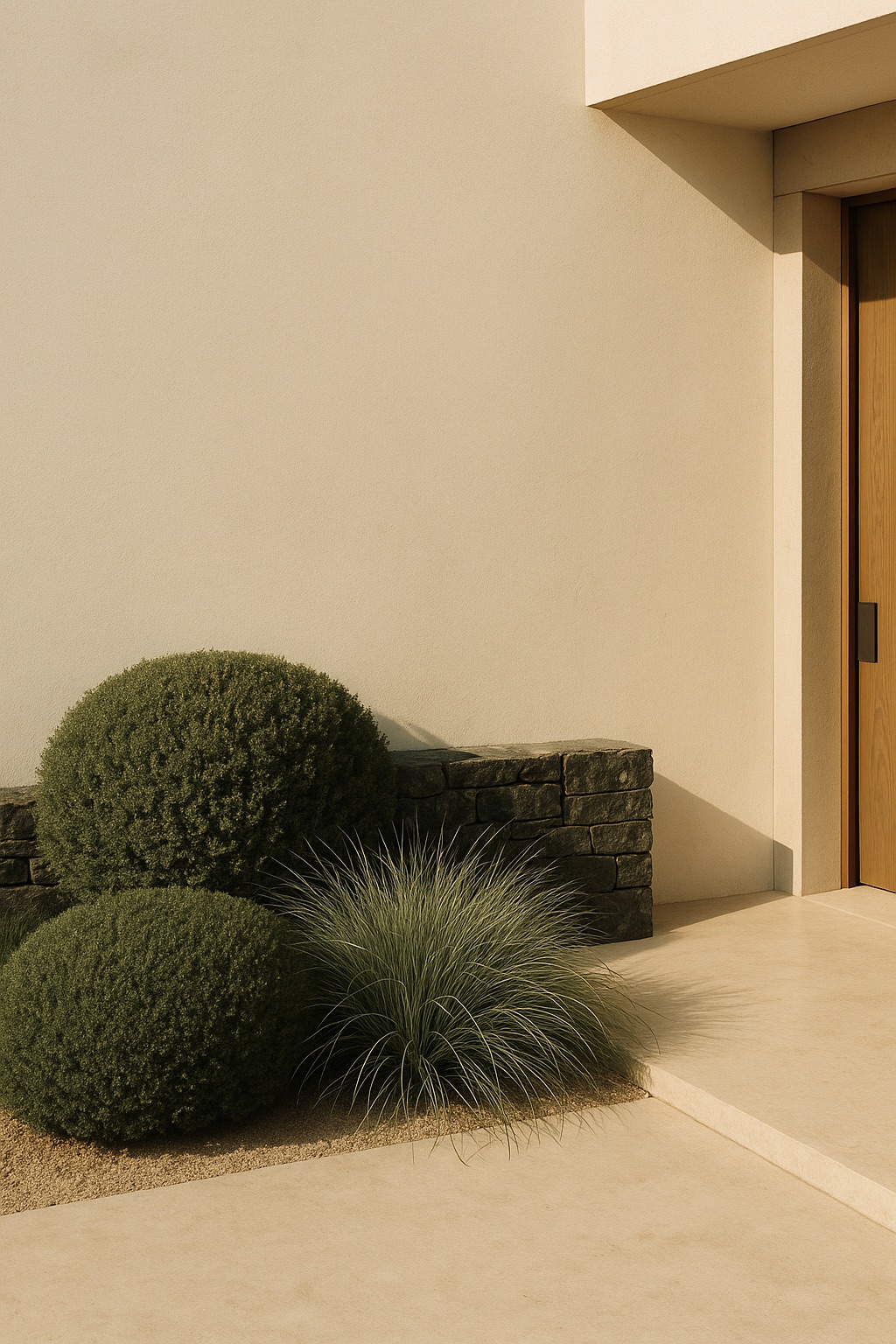
Coastal planting against a plaster wall: clipped heath, silver grasses, a low schist wall with lichen.
The plateau plantingHeath, grass, lichen
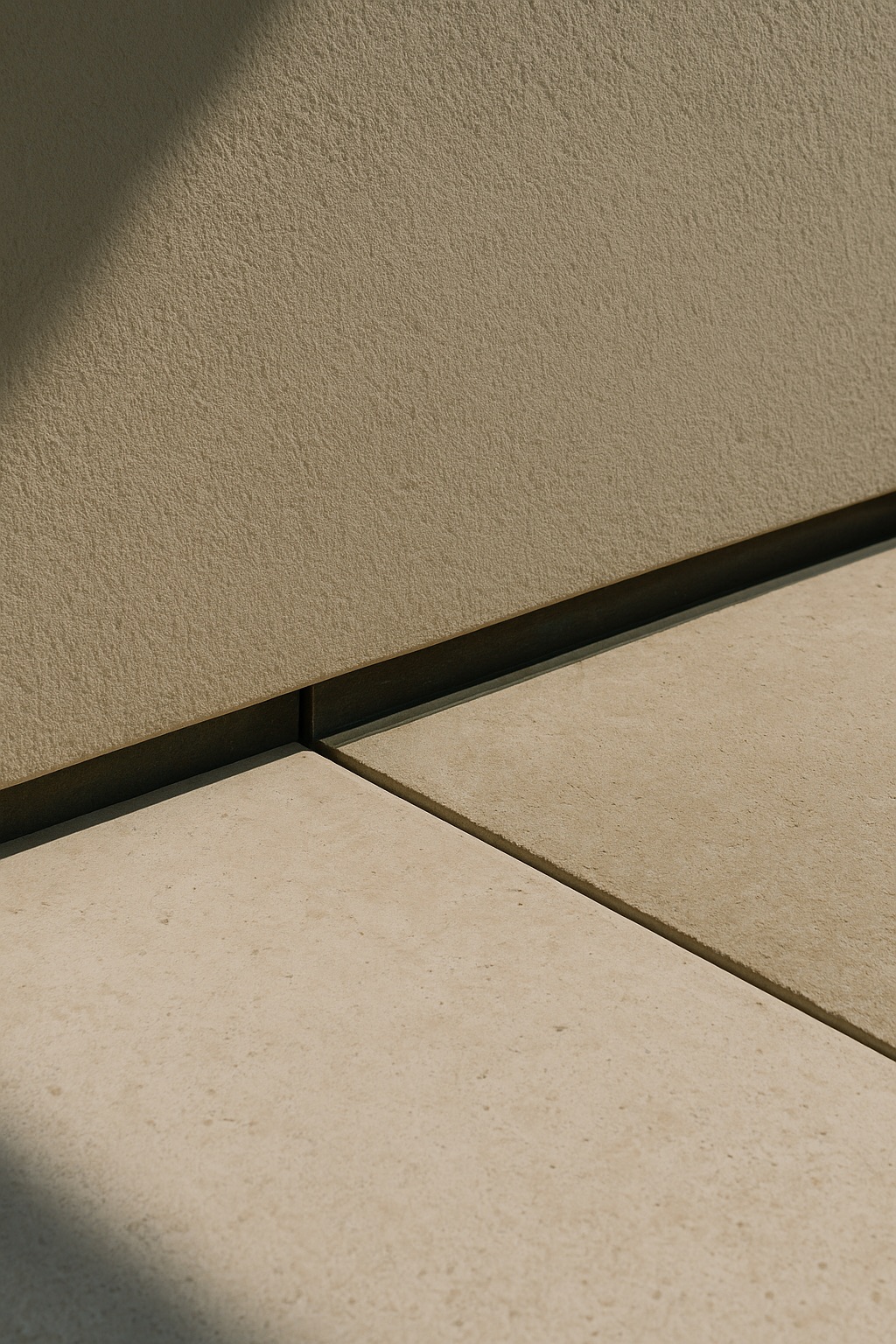
Close-up of a limestone floor meeting a plaster wall with a recessed bronze shadow gap.
Floor meets wallBronze shadow gap
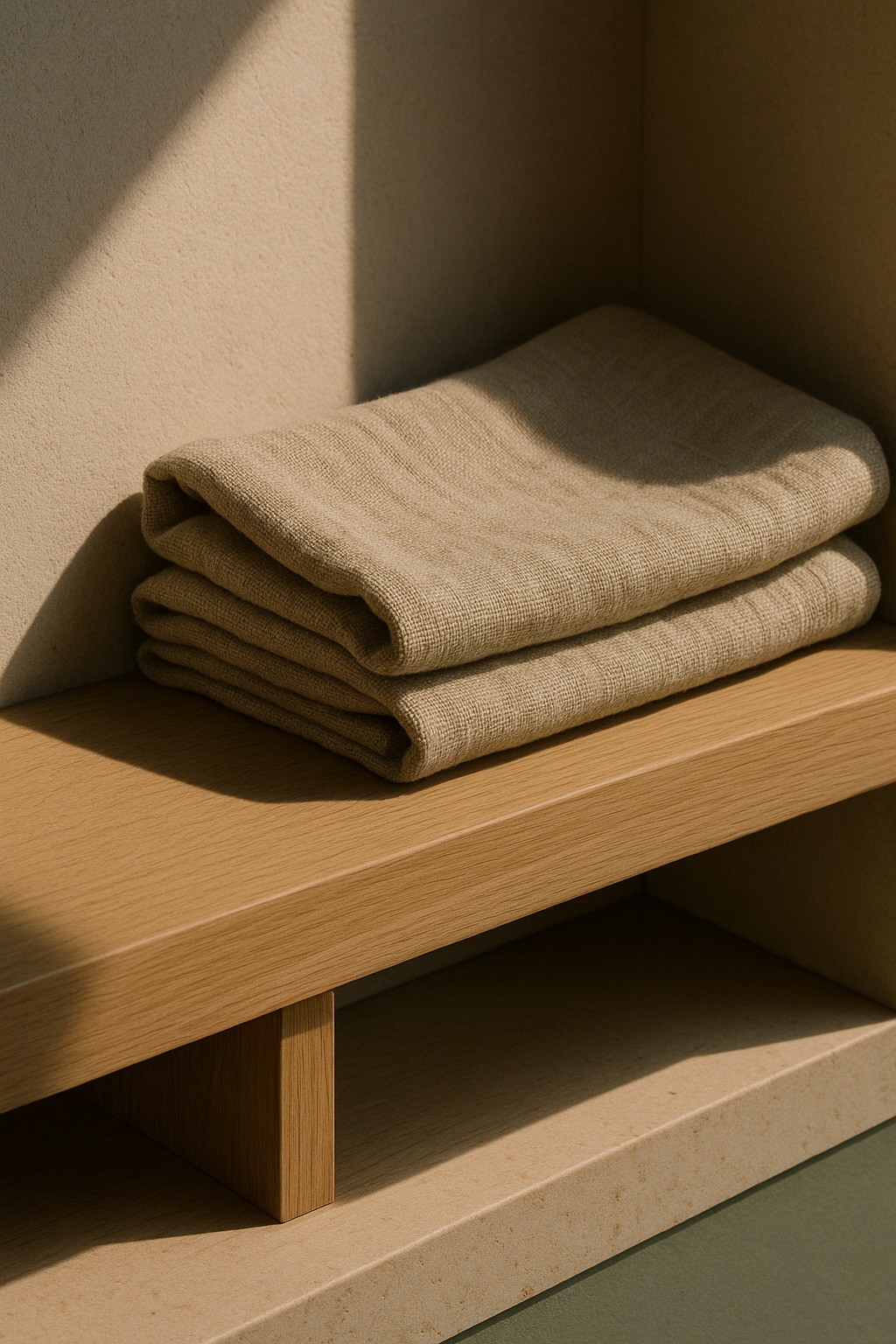
Heavy flax linen folded on a white oak shelf, raking light showing the weave.
Flax on oakWoven in Guimarães
Stone
Limestone from Sintra; schist from the cliff itself.
Wall
Lime plaster mixed with Bordeira sand.
Wood
White oak, sawn plain; walnut in the west rooms.
Metal
Blackened bronze — handles, spouts, shadow gaps.
Cloth
Flax linen woven in Guimarães.

Six materials, used everywhere and never disguised. What you touch on the first evening is what the building is made of.

Place

The last plateau before the sea.

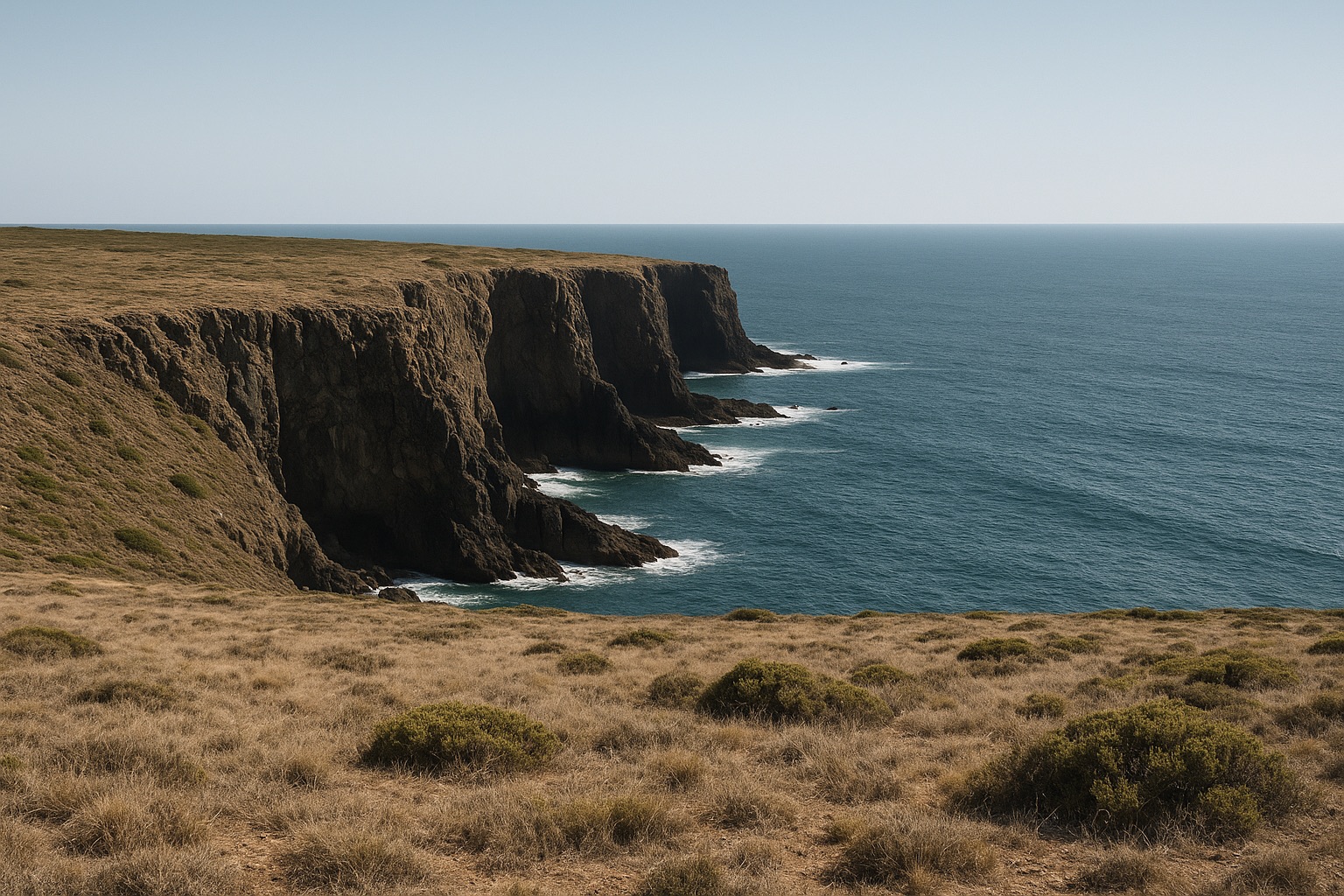
Carrapateira, on the Costa Vicentina — a protected coast of schist cliffs, bleached grass, and Atlantic weather. The nearest lights after dark are the village and the lighthouse at Cabo de São Vicente.

Dark schist cliffs breaking into the Atlantic below a plateau of dry grass and low heath.
The cliff at CarrapateiraParque Natural do Sudoeste Alentejano
Bordeira beach
20 min on foot
Aljezur market
15 min by road
Faro airport
1 h 20
Lisbon
2 h 50

Stay

Choose a direction, then the dates.

Tell us when you are coming and which light you want to wake to. A person — not a system — replies within a day with what is open.

From €340 a night, breakfast at the long table included.